

Role & Scope
• Reported to the VP of IT Merchandising; led a 25+ person end-to-end product organization spanning Product Design, Research, Engineering (front-end/back-end), Data Science/Analytics, and Product Management.
• Owned the strategy, design, and delivery of the Merchandising UX portfolio, including governance, design systems, AI/ML experiences, and experimentation.
• Acted as primary bridge between Merchandising leadership, Technology, and Finance to align roadmaps, funding, and OKRs.
Governance & Scale
Unified Design System
• Established an enterprise-wide, AI-assisted design-to-code system that automated the flow from Figma tokens and components into production code, enabling consistent experiences across web and internal tools.
• Standardized patterns and accessibility baselines across Merchandising products, reducing one-off design debt and re-work while improving design and engineering velocity.
• Partnered with Architecture, Security, and Compliance to embed governance into the design process (review boards, contribution model, and operating guardrails).
• Formalized an experimentation and rollout model for new components and patterns, ensuring safe evolution without breaking mission-critical workflows.
Innovation Lab
one-sixth the budget, enterprise standard
• Built a lean Innovation Lab that could take ideas from concept to production-grade MVP in weeks, dramatically faster than legacy project cycles.
• Prioritized a portfolio of “high-signal” pilots tightly aligned to Merchandising economics (margin optimization, cost control, vendor collaboration, store execution).
• Developed a repeatable pattern: frame the problem with the business, design rapidly in Figma, co-create with engineers and data scientists, then graduate validated pilots into the main product roadmap.
• Turned the Lab into a “front door” for the C-suite and business leaders to explore AI/ML use cases safely and measurably.
AI Platforms
Coding assistants, and AI governance
• Led strategy for generative and agentic AI tools supporting designers, engineers, and analysts—focusing on real productivity, not just demos.
• Drove adoption of AI coding assistants and design-to-code tooling within UX and engineering, while partnering with InfoSec and Legal on policies, guardrails, and data-handling standards.
• Created a practical governance model: use-case intake, risk tiers, red-lines, and measurement of impact (velocity, quality, and incidents), informing future AI investment decisions.
• Used the Design System as the control layer for AI-driven UI assembly, ensuring generated experiences still met accessibility, brand, and compliance requirements.
Supplier Onboarding
Transformation of the Merchant & Supplier Portal
• Re-designed the supplier onboarding portal and operating model—from fragmented email and spreadsheet workflows to a guided, SLA-driven digital experience.
• Introduced clear roles, task visibility, and escalation paths for internal teams and suppliers, reducing noise into Merchandising and support functions.
• Simplified contracts, forms, and data collection into a sequenced journey that decreased errors and back-and-forth cycles.
• Provided leadership with meaningful telemetry on onboarding time, bottlenecks, and quality so they could refine policy—not just chase exceptions.

Design System
Unified design system and component library adopted across Merchandising products.
Increased design and engineering velocity, cut UI defects, and gave teams a single source of truth for patterns, tokens, and accessibility.
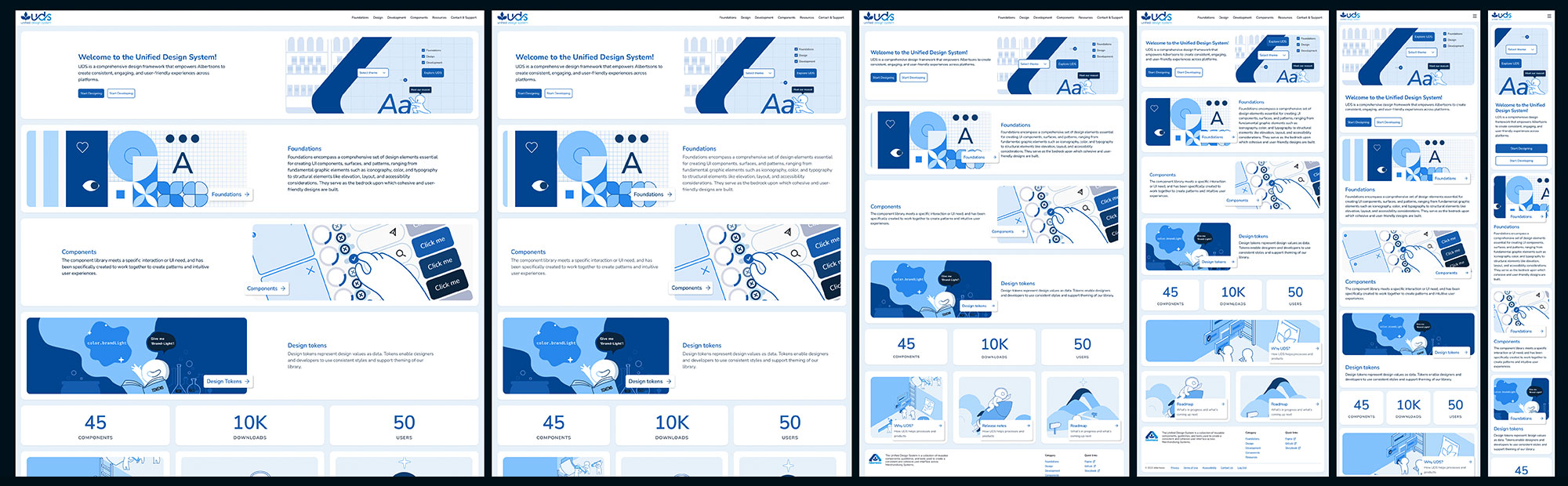
Document Website
Led the end-to-end redesign of Albertsons’ design system website, aligning it to the new design system so brand, careers, and investor content all lived in one cohesive experience. Built reusable, responsive templates that let marketing ship campaigns without waiting on design or engineering.

Merch Dashboard
Global merchandising command center for item, pricing, promotion, and supplier decisions.
Brings data, workflows, and guardrails into a single UX so merchants can move faster while still protecting margin and compliance.
Note: I’m actively updating this section with a full case study for this position, including before/after states, outcomes, and team context.